
You have no items in your shopping cart.
Featured
Description
Images & Validation
−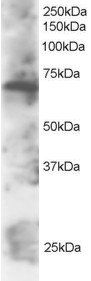
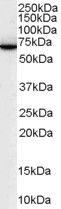
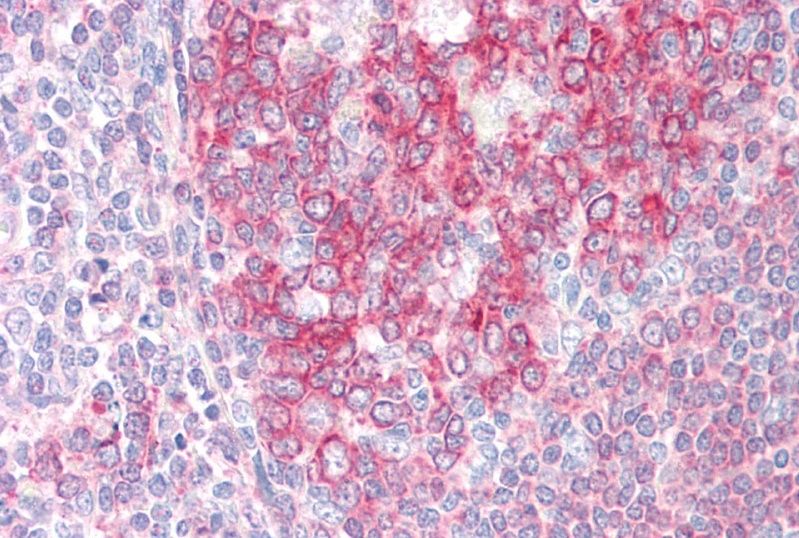
Item 1 of 3
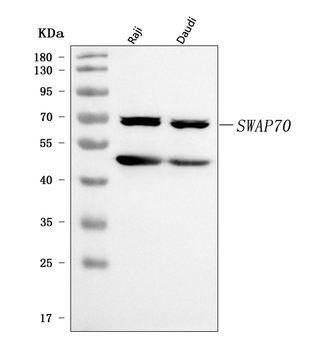
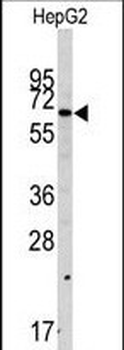
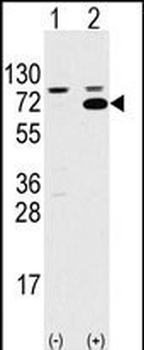
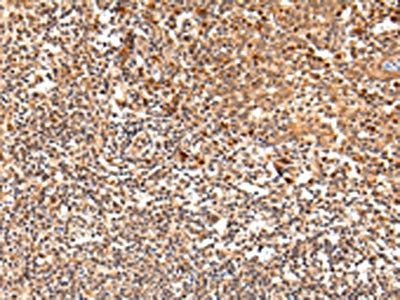
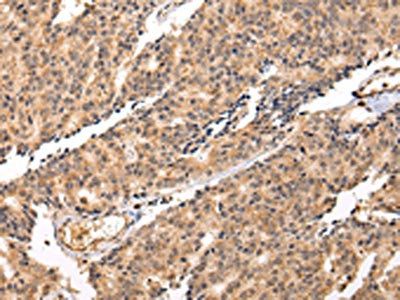
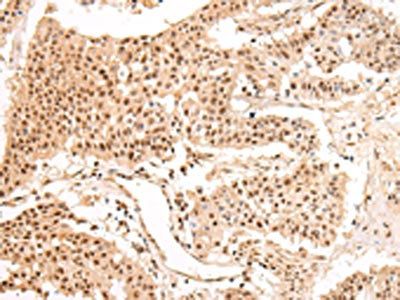
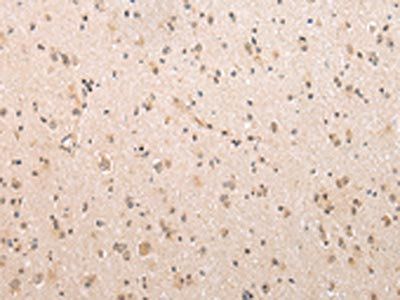
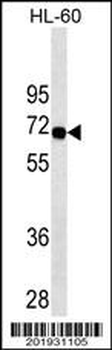
| Tested Applications | ELISA, IHC, WB |
|---|---|
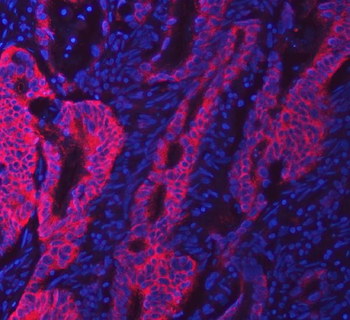
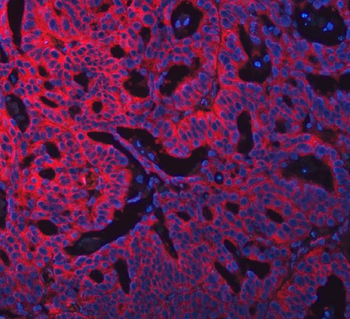
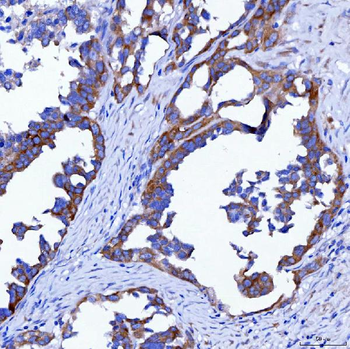
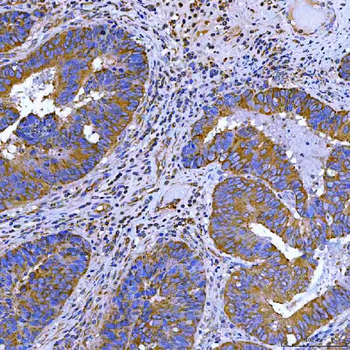
| Dilution Range | ELISA: 1:128000, WB: 0.1-0.3 μg/ml, IHC-P: 5 μg/ml |
| Reactivity | Human |
| Predicted Reactivity | Mouse, Rat |
| Application Notes |
Key Properties
−| Clonality | Polyclonal |
|---|---|
| Target | SWAP70 |
| Protein Sequence | EEREKNWKEKKTTE |
| Molecular Weight | 69 |
| Purification | Purified from goat serum by ammonium sulphate precipitation followed by antigen affinity chromatography using the immunizing peptide. |
| Conjugation | Unconjugated |
Storage & Handling
−| Storage | Maintain refrigerated at 2-8°C for up to 2 weeks. For long term storage store at -20°C in small aliquots to prevent freeze-thaw cycles. |
|---|---|
| Buffer/Preservatives | Supplied at 0.5 mg/ml in Tris saline, 0.02% sodium azide, pH 7.3 with 0.5% bovine serum albumin. Aliquot and store at -20°C. Minimize freezing and thawing. |
| Expiration Date | 12 months from date of receipt. |
| Disclaimer | For research use only |
Alternative Names
−anti SWAP70 antibody, anti SWAP-70 protein antibody, anti SWAP-70 antibody, anti KIAA0640 antibody, anti KIAA0640 protein antibody, anti FLJ39540 antibody, anti HSPC321 antibody, anti SWAP switching B-cell complex 70kDa subunit antibody
Similar Products
−- Item 1 of 6
SWAP70 Rabbit Polyclonal Antibody [orb1676544]
ELISA, FC, IF, IHC, WB
Human
Rabbit
Polyclonal
Unconjugated
100 μg - Item 1 of 2
- Item 1 of 2
- Item 1 of 2
- Item 1 of 1

Quality Guarantee
Explore bioreagents carefree to elevate your research. All our products are rigorously tested for performance. If a product does not perform as described on its datasheet, our scientific support team will provide expert troubleshooting, a prompt replacement, or a refund. For full details, please see our Terms & Conditions and Buying Guide. Contact us at [email protected].
Quick Database Links
Gene Symbol
SWAP70
Protocol Information
WB
Western Blot (IB, immunoblot)
IHC
Immunohistochemistry
ELISA
Enzyme-linked Immunosorbent Assay (EIA)
Y, Chen et al. High FITM2 expression promotes cell migration ability of hepatocellular carcinoma by regulating the formation of caveolae and indicates poor patient survival Histology and histopathology, (2021)
Available Sizes
Select a size below
Choose Conjugation or Carrier Free Version
Free Secondary Antibody (20 ul)0/0
Please add an antibody product to your cart first.
 Usually dispatched within 5-10 working days